Maintenance & Lifespan
Ice Dams in Spokane: Why Your Attic Is the Real Problem
The short answer
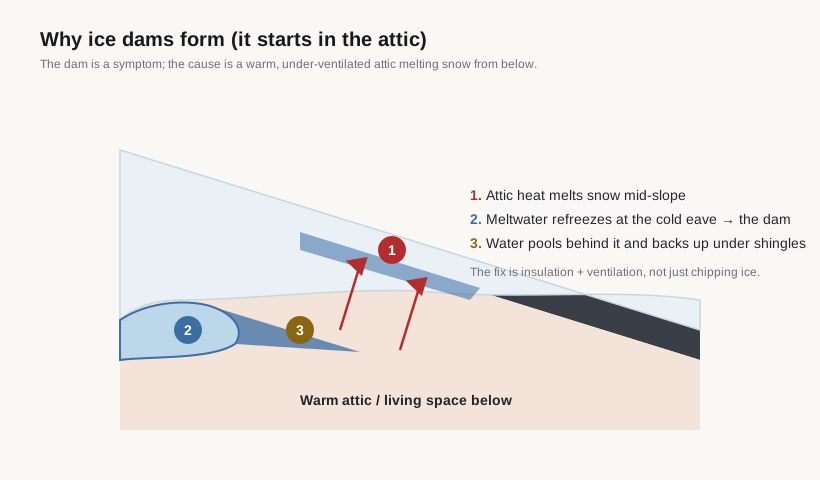
Ice dams form when attic heat melts the underside of your snowpack; the meltwater refreezes at the cold eave and builds a dam that backs water under the shingles. The permanent fix is attic air-sealing, insulation, and balanced ventilation — heat cables and roof raking only manage the symptom.
 Illustration
Part of our guide to The PNW Roof Maintenance Calendar: What to Do, When, and What It Buys You.
Every January, the same Spokane phone calls: icicles like organ pipes, a stain spreading across a bedroom ceiling, and a homeowner ready to blame the roof. The roof is usually the victim. The culprit is downstairs, in the attic — and if you fix the attic, the ice dams end.
How an ice dam actually forms
Snow lands on your roof and sits there — good insulation, actually. Then heat escaping from the living space warms the roof deck from below and melts the snowpack’s underside. That meltwater runs down the roof under the snow until it crosses the eave — the overhang, which sits over open air instead of a warm attic and stays at outdoor temperature. The water refreezes there. Repeat for a week of hard cold and you’ve built a growing ice ridge — the dam — with a pond of meltwater trapped behind it.
Shingles shed water running downhill; they were never designed to hold back standing water. The pond works uphill under the courses, and your ceiling stain appears.
The tell: big icicles are diagnostic. They mean meltwater is flowing over a cold edge — which means your attic is leaking heat. A well-sealed home wears its snow evenly and grows almost no icicles at all.
Why Spokane’s housing stock has it worst
The ’60s–’80s ranchers and split-levels across the Valley, North Side, and South Hill were built with insulation levels nobody would spec today, plus recessed lights, bath fans, and attic hatches that leak warm air straight up. Add a real Spokane winter — snowpack that stays for weeks with hard freezes at night — and the machine runs perfectly: heat melts, eave freezes, dam grows.
The fix hierarchy
1. Air-seal the attic (the disease). Every gap between living space and attic — top plates, light cans, fan housings, the hatch — is a heat leak melting your snowpack. Sealing them is the single highest-value hour of work in this whole problem.
2. Insulate to R-49+. Once the leaks are sealed, deep insulation keeps the roof deck cold so the snow simply doesn’t melt from below.
3. Balance the ventilation. Continuous intake at soffits plus exhaust at the ridge flushes whatever heat still escapes — keeping the deck within a few degrees of outside air. This also stops summer heat from cooking your shingles, so it pays year-round.
4. Ice-and-water membrane at eaves (the backstop). On every roof we install in Spokane County, membrane runs from the eave to well past the interior wall line — beyond code minimum — so if a dam ever does form, the water finds waterproofing instead of your drywall. (Our full winter spec treats this as standard, not an upgrade.)
What about heat cables? They melt drainage channels through dams — symptom management. Reasonable as a stopgap on a problem roof you’re not ready to fix; a poor substitute for making the attic stop causing the problem. Same for roof raking: useful after huge dumps, exhausting as a lifestyle.
The insurance angle
Most homeowner policies cover the interior water damage an ice dam causes, but not the roof wear itself — and carriers scrutinize maintenance history. Documented inspections (ours are free) are quiet insurance for your claim if a bad winter ever wins. If you’re already staring at a stained ceiling, document first, then call your carrier — order matters.
Icicles every winter? Book a free inspection — we check the attic side too, because that’s where Spokane ice dams are actually built.
Sources & methodology
- Asphalt Roofing Manufacturers Association (ARMA) — ice dams
- U.S. Department of Energy — attic air sealing & insulation
Insurance, permit and code details vary by policy and jurisdiction. This guide is general information from our field experience, not individualized professional advice.